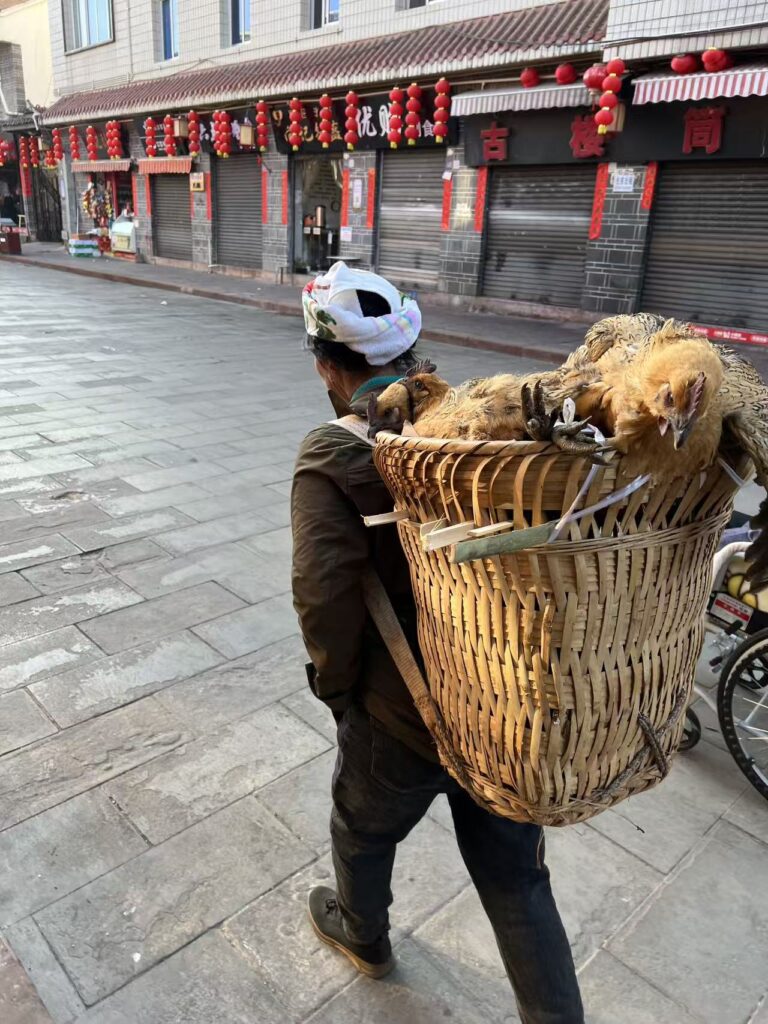
I have long struggled with my beloved and hated Chinese identity. I often say, “我恨东亚恨入骨血,我爱东亚又如心脏”—I hate East Asia with every fiber of my being, yet I love it as dearly as my own heart. Living within Chinese society for so long has left me with a deeply internalized sense of self-condemnation that surfaces in almost every intercultural experience I have.
When I spend too much time within my own identity community, a voice inside me whispers: Then why study abroad? You’re not even engaging with local people—shame on you. Yet when I engage deeply with the local community and am seen doing so by people from my own, another anxiety takes over: Will they think I’m whitewashed? Will they think I’m selectively abandoning my identity? No matter which direction I turn, something always feels misaligned, as if I am failing an unspoken test.
This semester, however, I have begun to feel a sense of relief. I found myself standing with my community in a different way—not through retreat or assimilation, but through responsibility. I founded the Cantonese table and helped establish the first credit-bearing Cantonese class. In doing so, I listened closely to my community, acknowledged the collective identity we share, and recognized the struggles that bind us together. More importantly, I chose to act.
These actions did not pull me away from the local community; instead, they allowed me to present my own community to it—openly and proudly. I am no longer torn between belonging and engagement. I have learned that standing with my community does not mean closing myself off from others, and engaging across cultures does not require erasing where I come from. In this space of action, I have found a way to hold my contradictions without shame. My identity no longer feels like something I must justify; it has become something I can inhabit with intention and care.

Leave a Reply