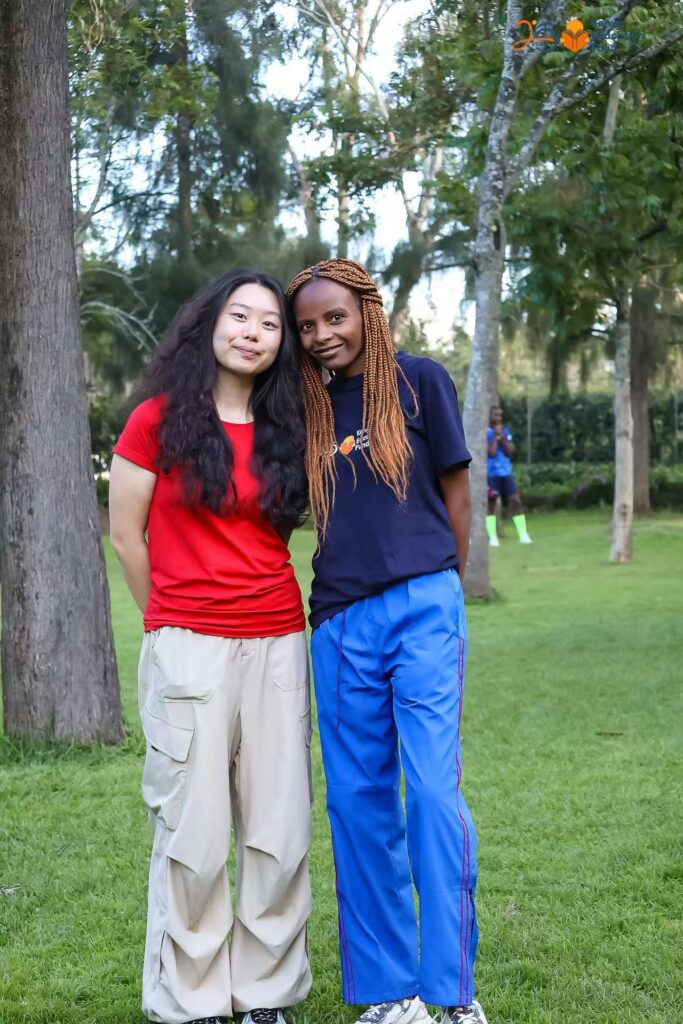
Before traveling to Kenya with the first Wesleyan University cohort in collaboration with the Kenya Education Fund, I approached the experience primarily through the lens of my academic interests. As a Government major interested in ethical international development, particularly China’s overseas financing and infrastructure projects, I wanted to understand what development actually looks like on the ground beyond policy papers and political discourse.
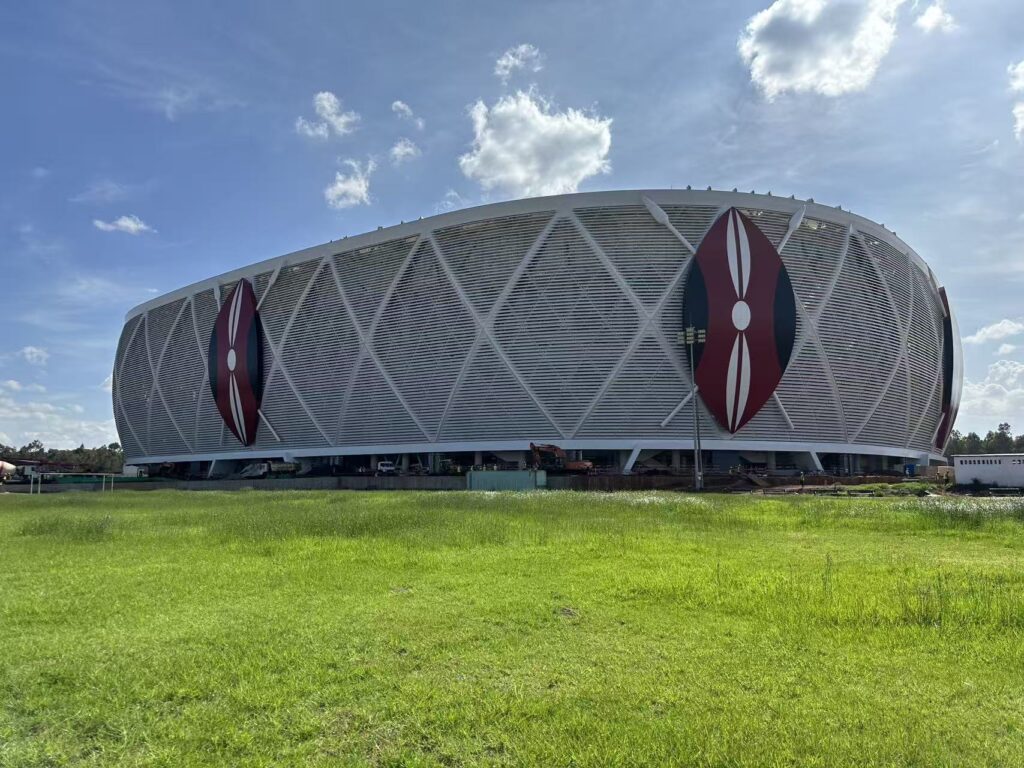
As part of my independent project, I visited Talanta City Stadium, which is being prepared for 2027 Africa Cup of Nations and co-funded by a Chinese construction company and the Kenyan government. I also visited Chinatown in Nairobi, which felt drastically different from the Chinatowns I had seen in the United States. These experiences pushed me to think more critically about how Chinese presence abroad is perceived, localized, and woven into everyday urban life in Kenya.
However, the most meaningful part of the program for me were the relationships and conversations with my mentor and peers at Kenya Education Fund. Through the design thinking workshop organized with KEF students, aach Wesleyan student was paired with a mentor and placed into a small collaborative group tasked with identifying and addressing a social issue. My group focused on transportation, specifically traffic violations and the lack of accountability that often contributes to accidents and congestion.
At the beginning, many of us were hesitant and shy. We were curious about each other, but also aware of the differences in our backgrounds and lived experiences. Yet the structure of the workshop gradually transformed those dynamics. Because we shared a common goal, collaborated closely, and engaged with one another on relatively equal footing, the interactions became more genuine and comfortable over time. Reflecting on this later, I was reminded of Gordon Allport’s intergroup contact theory, which argues that meaningful intercultural exchange is more likely to occur under conditions of equal status, cooperation, shared goals, and institutional support. What surprised me most was realizing how intentionally this program had created those conditions.
Our discussions around transportation, some members of my group proposed a public electronic billboard system that would display the license plates of traffic violators, alongside improvements to navigation systems that could warn drivers about accidents and congestion nearby. As someone from China, I immediately recognized similarities to surveillance and public accountability systems I had encountered before. This led to nuanced conversations about how technologies or policies that may function in one country can produce entirely different consequences in another. Rather than arriving at a simple answer, we learned to sit with complexity together.
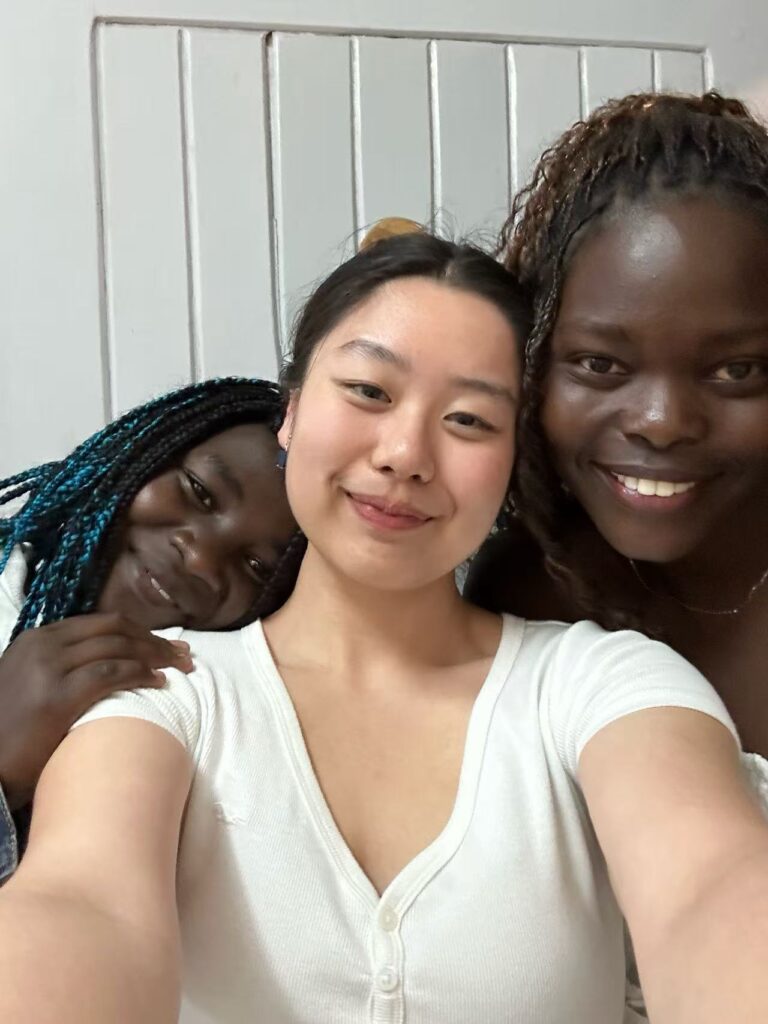
At the same time, this experience forced me to reflect deeply on my own positionality. As a Chinese student studying at an American university, I occupied a complicated space. Although I am not personally responsible for China’s role in Kenyan development projects, my identity inevitably shaped how others perceived me. At the same time, I arrived through a privileged academic institution with the power to ask questions, frame conversations, and leave whenever I wished, while many of the people around me were living realities that I could only temporarily observe. Throughout the trip, I found myself constantly asking: Who feels comfortable speaking to me? Who remains silent around me, and why?
Ultimately, what I carry most strongly from Kenya is not a definitive understanding of international development, but a deeper awareness of how intercultural learning depends on humility, mutual vulnerability, and human connection. The experience was meaningful, joyful, uncomfortable, and unsettling all at once. More than anything, it reminded me that ethical engagement across cultures requires not only curiosity, but also a willingness to confront the unequal structures and assumptions we bring with us into every interaction.
Leave a Reply